 Skip to content
Google Crawl Budget Guide: 3 Content Editing Lessons for SEOs

Google has updated its google crawl budget optimization guide, introducing clearer explanations, tighter wording, and a new section that was not included in the previous version. While the documentation update itself is useful, the bigger lesson is hidden in how Google rewrote its own content. The changes reveal three practical editing techniques that SEOs and […]
Google AI Search Opt-Out: What the New Search Console Control Means for Websites

Google is rolling out a new Search Console setting that allows website owners to exclude their content from AI Overviews, AI Mode, and Discover’s generative AI features without removing their content from traditional Search. The new control gives website owners a choice that was previously unavailable. However, deciding whether to opt out is not simple. […]
Google Search Console Introduces New Ways to Analyze Social and Video Content Performance
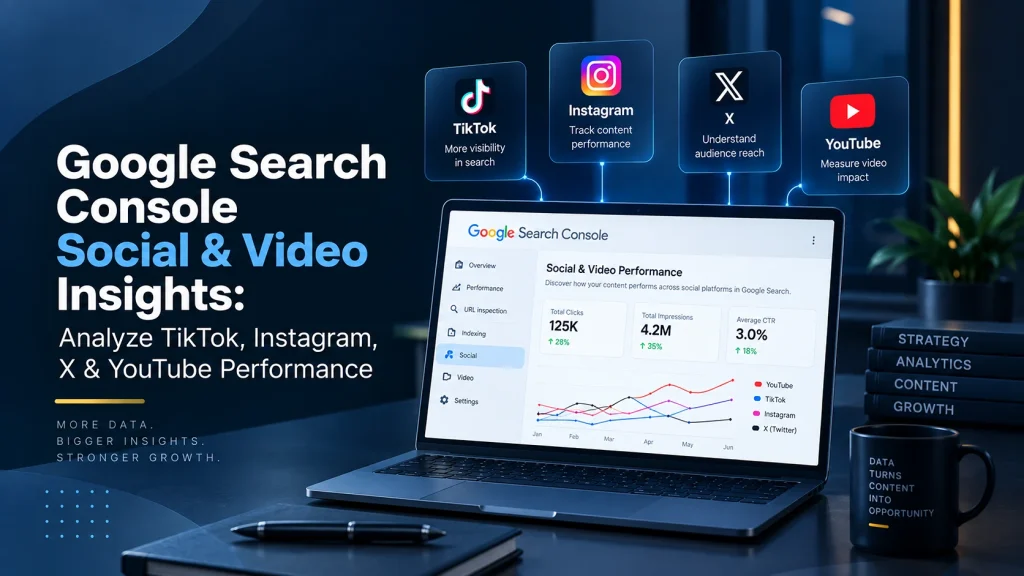
Content discovery is expanding beyond traditional websites. Social media posts and videos published on platforms like TikTok, Instagram, X, and YouTube can also appear across Google Search. Google Search Console now provides insights that help creators, social media managers, and SEO professionals understand how their platform content performs across Google Search, Discover, and Google News. […]
MCP for SEO: How AI Assistants Can Access Real SEO Data
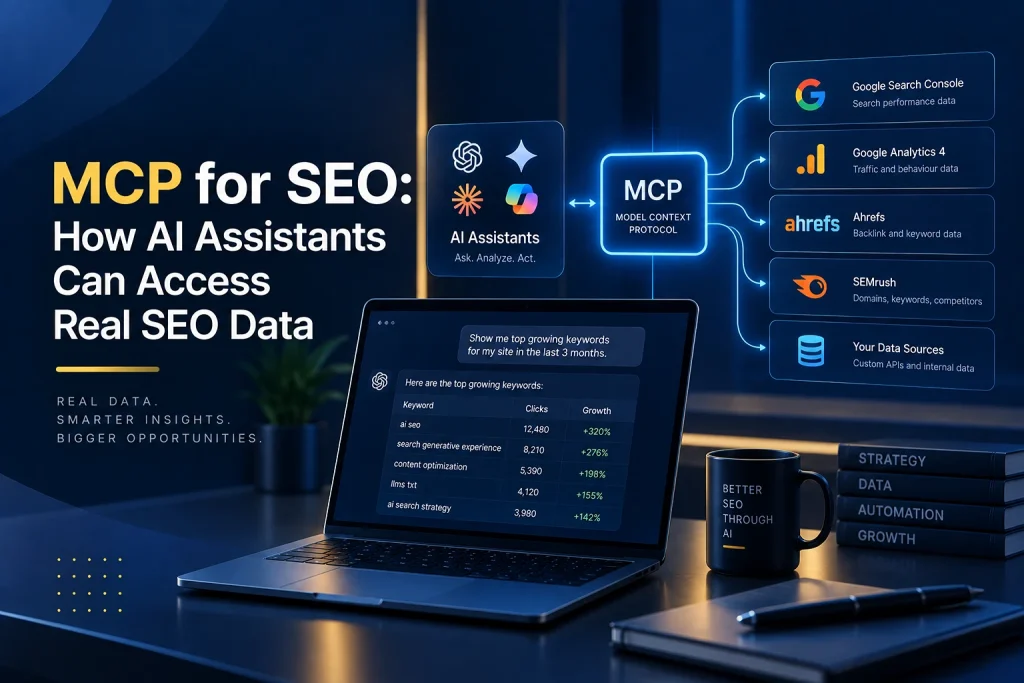
Introduction AI tools can already help with many SEO tasks, but one major challenge remains: accessing reliable, external data. An AI model can generate ideas, but without direct access to SEO data sources, recommendations may rely on limited context. Model Context Protocol (MCP) changes this by creating a standardized way for AI applications to connect […]
Google Crawl Budget Update: What Google’s New Documentation Means for SEO
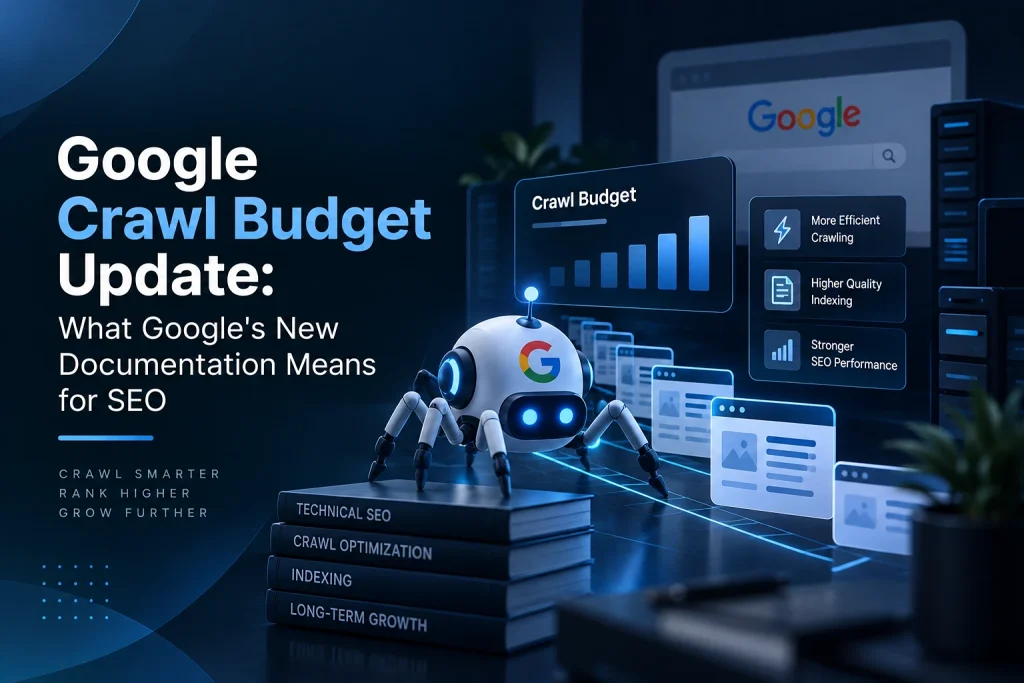
Google has updated its crawl budget documentation with an important clarification. While this isn’t a ranking update, it provides greater clarity on how Google determines crawl capacity and allocates crawling resources. The update reinforces that crawl budget isn’t just about how much Google crawls – it also depends on how efficiently websites can be crawled. […]
The Core Web Vitals Thresholds You Trust Might Be Wrong for Your Site

Google considers a Largest Contentful Paint (LCP) of 2.5 seconds or less as “good.” For many businesses, this benchmark has become the ultimate performance goal. Once a site reaches that threshold, optimization efforts often slow down. However, this widely accepted benchmark is based on aggregated data collected from millions of websites. While it serves as […]
Marketing in 2026 – How AI Is Reshaping Discovery, Content, and Teams

Marketing today is changing faster than it has in years, and it’s becoming harder to ignore the scale of that shift. What used to be a largely manual, execution-heavy function is now increasingly moving toward systems, automation, and AI-driven workflows. The role itself is evolving – less about doing every task from scratch, and more […]
Content Pruning in 2026: How to Decide What Stays, Gets Updated or Gets Deleted
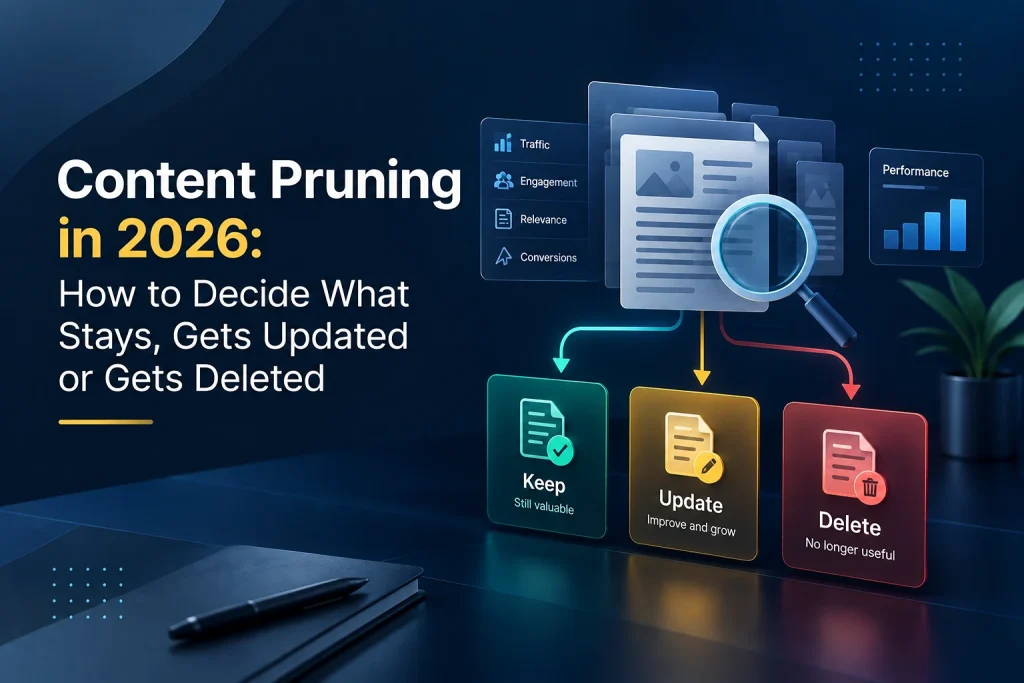
Publishing more content is easy. Deciding what deserves to exist is the actual work. Recent case studies around the August 2026 spam update show why content volume alone is not a reliable SEO strategy. A YMYL site scaling programmatic content across countries lost 200,000+ queries. Another site with 1.5 million indexed URLs, roughly 85% programmatic, […]
AI Agents: How They Work, Why They Matter, and What Businesses Should Know in 2026
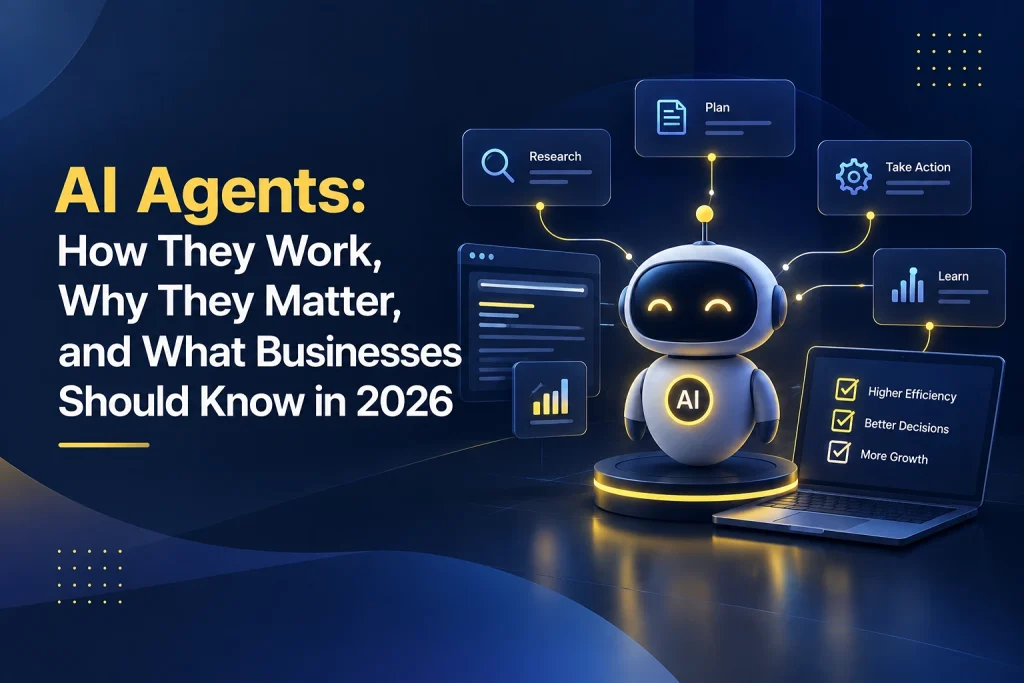
Artificial intelligence has evolved from simple chatbots into systems that can complete real work on behalf of people. These systems are called AI agents, and they are quickly becoming one of the most important trends in technology and business. Unlike traditional AI tools that only respond to questions, AI agents can pursue goals, make decisions, […]
LLMs.txt vs AI Crawlers: What Actually Drives AI Citations in GEO
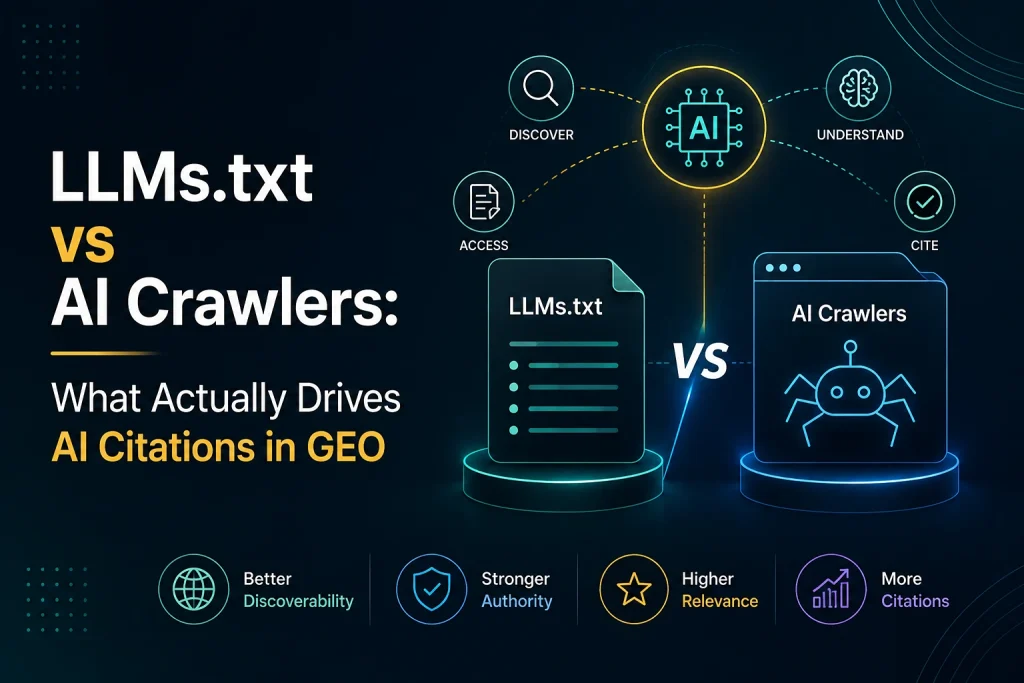
Introduction: The Reality Behind AI Visibility The rise of Generative Engine Optimization (GEO) has pushed marketers to rethink how AI systems discover and cite content. One of the most discussed ideas in this space is llms.txt, a proposed file designed to guide large language models toward a website’s most important content. However, while the concept […]